
E-E-A-T
Quick Definition
E-E-A-T stands for Experience, Expertise, Authoritativeness, and Trustworthiness — the framework Google uses to evaluate content quality. It is not a ranking factor itself, but a guide for what Google's algorithms try to detect.
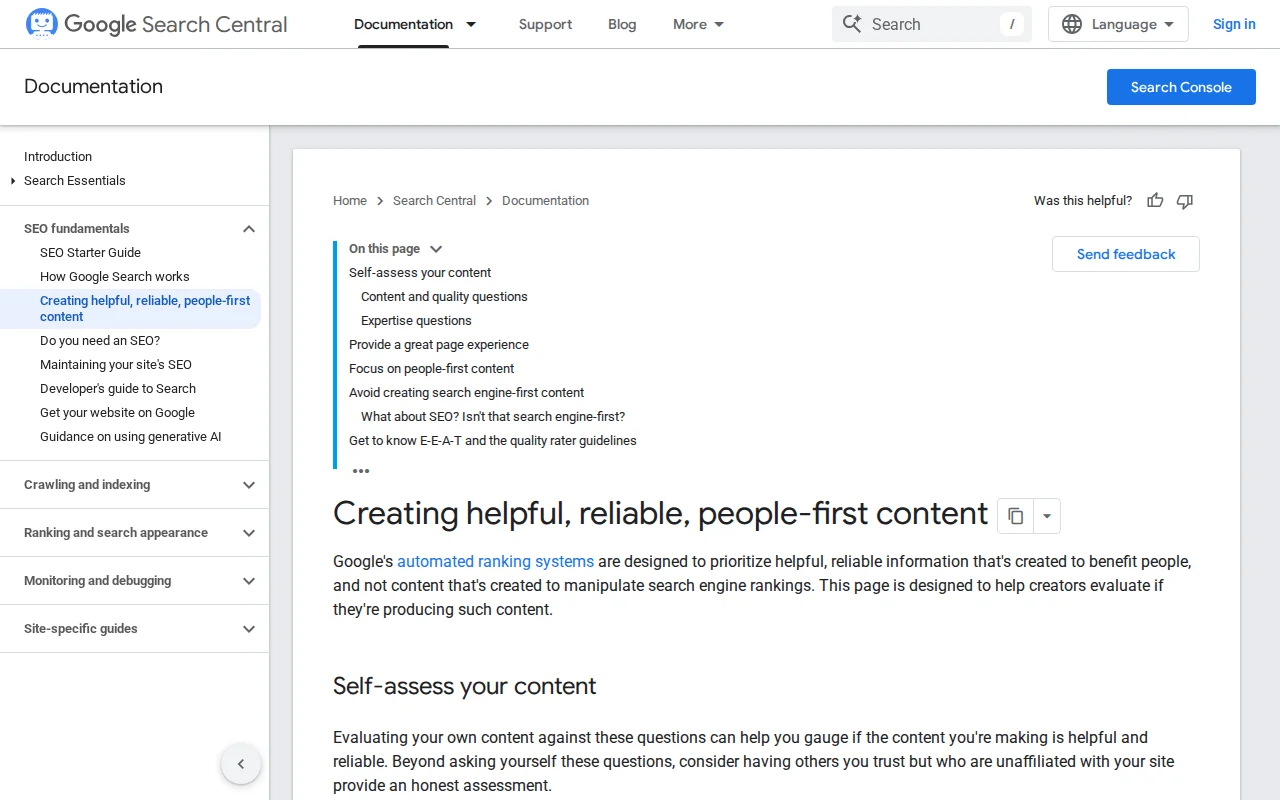
What Is E-E-A-T?
E-E-A-T stands for Experience, Expertise, Authoritativeness, and Trustworthiness. It is the framework Google's human quality raters use to evaluate whether search results are high quality. Google added the second "E" (Experience) in December 2022 — the original framework was E-A-T.
Here is what each letter means:
- Experience — Have you actually done the thing you are writing about? A hosting review from someone who has used the hosting for 6 months has more experience than someone paraphrasing the features page. First-hand screenshots, personal anecdotes, and real test results demonstrate experience.
- Expertise — Do you have demonstrable knowledge in the subject? For WordPress tutorials, this means knowing how the software actually works — not just summarizing documentation. Credentials, professional background, and depth of content signal expertise.
- Authoritativeness — Do other credible sources recognize you? When other websites link to your content, cite you as a source, or mention you as a go-to resource in your niche, you build authoritativeness. Domain Authority is a related (but separate) metric.
- Trustworthiness — Is your site accurate, honest, safe, and transparent? Google considers Trust the most important pillar — without it, the other three are irrelevant. HTTPS (SSL), clear author bios, accurate information, proper disclosures, and a real contact page all signal trustworthiness.
Critical distinction: E-E-A-T is not a direct ranking factor. Google does not have an "E-E-A-T score" in its algorithm. Instead, E-E-A-T is a framework that describes the qualities Google's algorithms are trained to detect through hundreds of on-page and off-page signals. Think of it as a compass, not a checkbox.
E-E-A-T in Practice
For WordPress sites, here is how to demonstrate E-E-A-T:
- Author boxes — Add an author bio under every post with photo, name, credentials, and links to professional profiles (LinkedIn, Twitter). Plugins like Yoast SEO and Simple Author Box make this easy.
- About and Contact pages — Show who is behind the site. Include a real name, photo, and way to reach you.
- Original content — Use your own screenshots, test results, and personal experience. Do not just rewrite what others have written.
- Sources and citations — Link to official documentation, research, and authoritative sources within your content.
- Editorial policy — Explain how you test products, your review methodology, and your affiliate disclosure.
- Keep content updated — Outdated information erodes trust. Review and update articles regularly.
E-E-A-T matters more for YMYL (Your Money or Your Life) topics — health, finance, legal, safety — where wrong information can cause real harm. For WordPress content, hosting reviews and security guides are closest to YMYL territory.
Why It Matters
Google increasingly rewards content from people who have real experience with what they are writing about. In 2026, with AI-generated content flooding the web, E-E-A-T is how Google distinguishes genuine expertise from superficial rewrites. Building E-E-A-T into your WordPress site is the most sustainable long-term SEO strategy — because it aligns what you do with what Google actually wants to rank.